Street Source is shutting down April 30th, 2026. Read the announcement
Japanese VIP Video...
5085 views
21 replies
20 following

Japanese VIP Video...

AON-4PumpedCL
+1y
Edited: 4/18/2010 2:27:43 AM by AON-4PumpedCL
http://www.youtube.com/watch?v=_r6ltUgtFWI&feature=player_embedded
http://www.youtube.com/watch?v=VVU-oXEwfIs&feature=player_embedded
Crazy!
http://www.youtube.com/watch?v=_r6ltUgtFWI&feature=player_embedded
http://www.youtube.com/watch?v=VVU-oXEwfIs&feature=player_embedded
Crazy!


Getbored Designs
+1y
seriously.... there was a vw at h20 this year with serious camber like thathe was told not to drive ithe continued and got towedand for good reasonhow far can you actually ride on the sidewall....

twistedsdime
+1y
Edited: 4/18/2010 12:16:46 PM by twistedsdime
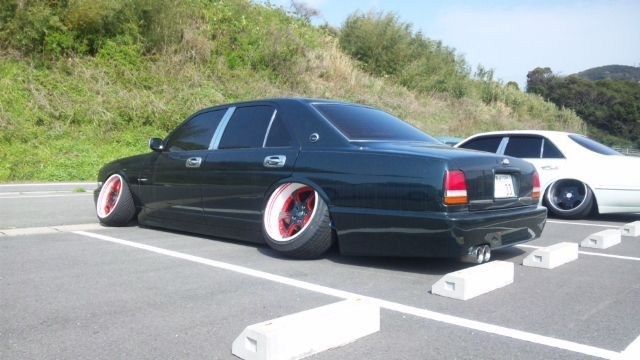
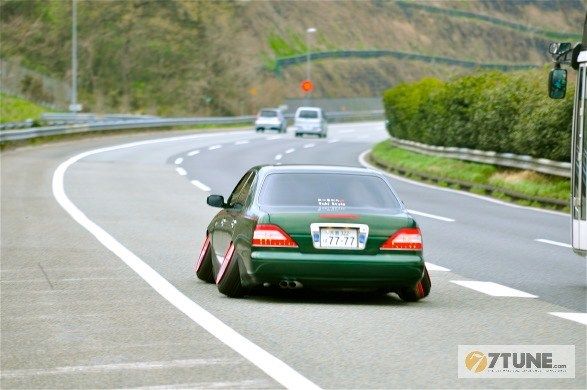
Edited: 4/18/2010 12:06:49 PM by twistedsdimeIt's "Demon Camber"
Edited: 4/18/2010 12:06:49 PM by twistedsdimeIt's "Demon Camber"
twistedsdime
+1y


h8rstyle
+1y
WOW that is some serious camber, the dish on that wheel isn't helping the look at all.... he needs to cut that thing up and get it looking right.


22below
+1y
Looks cool as hell cruising like that, I wouldnt do it, but looks cool

bagged4doorcivic
+1y
What the FUCK is that. I watched it like 4 times and laughed every time I heard him say that.

tuckinlugs06
+1y
how to hell to they turn the rim is allreaddy on the fender
tuckinlugs06
+1y
June 15, 2007 - A certain subsection of Japanese car tuners - specifically those punch-permed bosozoku deep out in the country side - like to give their cars something known as onikamu - "demon camber", in English. In a nutshell, a car with demon camber is a car with an obscene amount of negative camber. Click here to see a photo of a Previa with the evilest of all evil cambers. Get the idea? Good. Back during Japan's pre-D1 drifting heyday, some of these demon camber aficionados liked to say that this extreme tire tuck was actually beneficial to overall performance. We've heard two reasons for this: the first reason centers around the idea that a car with reduced grip in the front would be easier to slide. The second theory behind the "advantages" of demon camber revolves around weight transfer. When a car takes a corner, the centripetal force causes the car to shift its weight to the outside of the corner, right? Apparently, when an onikamu-equipped car takes a corner, this weight shift is so great, the massively negative-cambered wheels will shift to a (slightly more) upright position (meaning less negative camber) and maximize the tire's contact patch.
Related Discussions in Foreign Cars (honda, etc)
Thread
Posts
Last Post


194

last post by
danclarisjunior +1y
